Table Of Content

Candidiasis, also referred to as a yeast infection, is caused by an overgrowth of yeast called candida. The candida fungi thrive in warmth and moisture, which is why they commonly affect the skin folds and genital region. Wearing tight clothing, poor hygiene, and not drying properly after bathing increases your risk.
What Causes Itchy Pubic Hair?
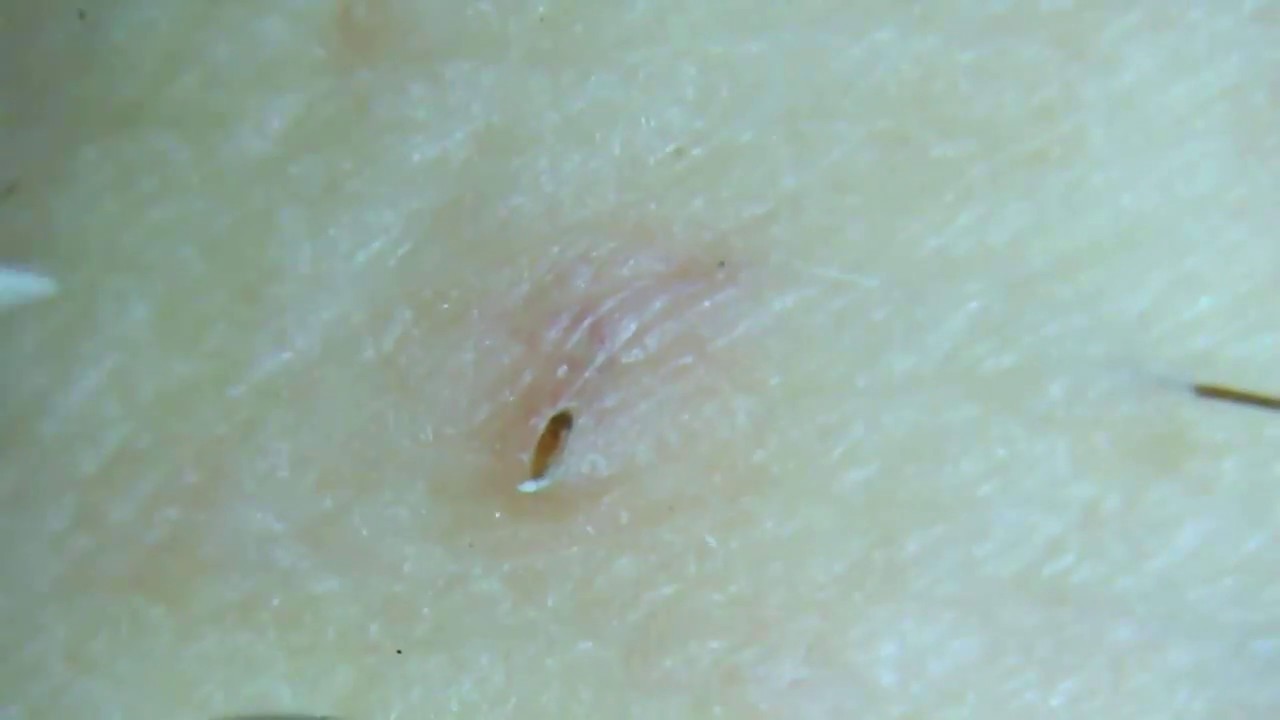
Folliculitis can often be treated with antibacterial soap and moisturizers. If an infection occurs, you may need to see a healthcare provider for a prescription topical antibiotic or antifungal lotion. A bug-related itch and bump can also be due to scabies, which are tiny mites that don’t bite but burrow into your skin. To treat scabies, you’ll need to see a healthcare provider and get a prescription cream. This is a skin condition that results from a bacterial, fungal, or rarely, a viral infection of the hair follicle under the skin. It often results in red, acne-like spots and itchy, painful skin.
Vulvar Dermatitis: Symptoms and Treatment
Have Bumps On Your Vagina? Here's What It Might Be - Shape Magazine
Have Bumps On Your Vagina? Here's What It Might Be.
Posted: Tue, 08 Feb 2022 08:00:00 GMT [source]
According to the UK-based National Eczema Society, eczema can be found on the vulva, as well as around the opening of the anus and the skin between your cheeks. Another possible consequence of shaving (or waxing), an ingrown hair is a hair that grows into your skin, according to the Cleveland Clinic. Contact dermatitis will often resolve if you leave the area alone. However, you may want to wash your pubic area with warm water to get rid of any irritants or allergens lingering on your skin. Applying a light, unscented moisturizer can also help relieve and repair inflamed and damaged skin. Seeing a doctor is the best way to receive a full diagnosis and treat the issue in many cases.
Mental Health Disorders
To prevent irritation in the future, trimming pubic hair is the safest bet, according to the American College of Obstetricians and Gynecologists. Otherwise, if you must shave, do so with a new, clean razor and shave in the direction of hair growth. If folliculitis doesn't resolve on its own, you may need to see a healthcare provider for prescription topical or oral antibiotics.

The right treatment can also benefit sexual partners by reducing the risk of transmission. If you have symptoms of genital herpes, consult a healthcare provider for an accurate diagnosis of your symptoms. A physical examination can often show signs of genital herpes. It is possible to experience razor burn after shaving any part of the body, including the pubic area. Razor burn occurs when the razor pulls the hair, leading to irritated follicles.
Learning the common STI symptoms can help you get the care you need early with the best results. Do not insert creams or any other treatments into the vagina unless a healthcare provider has recommended this. Certain home treatment options can help soothe an itchy vagina or vulva. Although they may not cure the cause of the itchiness, they may help treat the symptoms. Over-the-counter (OTC) lotions and shampoos can help treat pubic lice.
What STI causes itchy genitals?
People who experience any side effects from chemotherapy should report them to their cancer care team. A doctor may be able to prescribe medications to alleviate some of the side effects of chemo. Atrophic vaginitis refers to changes in the tissues of the vulva and vagina that occur as a result of decreased estrogen levels. This condition is common among those experiencing menopause when estrogen levels begin to decline. Most females with FFA also experience hair loss on their scalp. During puberty, an increase in hormones called androgens triggers the growth of pubic hair.
How can I reduce my risk of itchy genitals?
A person can also apply anti-itch creams such as topical corticosteroids to the skin of the vulva to ease itching. A person should not put creams or other treatments into the vagina unless a healthcare provider advises them to do so. There are numerous possible causes of vaginal itching without discharge. A person’s vulva or vagina may be itchy due to razor burn, contact dermatitis, lichen sclerosus, pubic lice, and more. Genital itching can be a symptom of many conditions which may include vaginal infections in females or jock itch in males. In either sex, itching may be caused by skin irritation, sexually transmitted diseases, and allergies.
How to Safely Shave Your Pubic Hair, According to a Doctor - Livestrong
How to Safely Shave Your Pubic Hair, According to a Doctor.
Posted: Sun, 23 Jul 2023 07:00:00 GMT [source]
If you’re concerned about itchiness in your genitals that doesn’t go away, talk to your healthcare provider. One to look out for is tinea cruris, also known as jock itch. Tinea cruris affects the genitals, as well as the inner thighs and butt. To help prevent this and other types of fungal infections, avoid staying in wet clothes too long, such as after exercising.
The CDC recommends the use of 100 milligrams of doxycycline twice daily for seven days to treat chlamydia. When doxycycline can't be used, a single 1-gram dose of azithromycin or a seven-day regimen of 500 milligrams of levofloxacin taken once daily is advised. Contact dermatitis can happen when the skin comes into contact with an irritant or allergen. Here are 8 reasons, aside from an STI, for itchy private parts along with tips for getting relief. You can search by location, condition, and procedure to find the dermatologist that’s right for you. If you want to diminish a noticeable scar, know these 10 things before having laser treatment.
The itching can range from mild to relentless and may be accompanied by rash, bumps, redness, and skin discoloration. Itchy genitals that interfere with your quality of life should be addressed by your healthcare provider. You could have a skin condition like psoriasis or eczema, an infection such as a yeast infection or maybe a sexually transmitted infection such as trichomoniasis. There are treatments to manage or even eliminate the symptoms.


No comments:
Post a Comment